








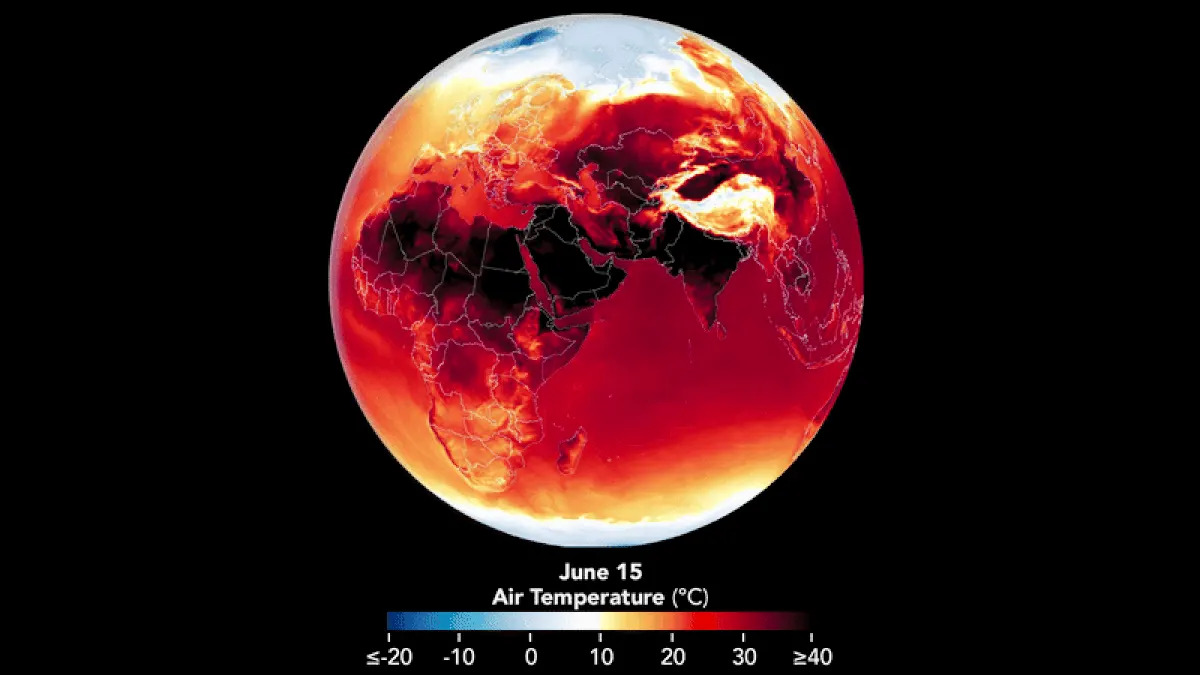
As a massive and long-lasting heat dome settles over much of the United States, experts are concerned that such extreme heat events are not being taken seriously enough.
Of all the weather hazards in the United States, extreme heat is the deadliest, with about half of Americans exposed to it over the Fourth of July holiday weekend.
Research shows that heat domes are becoming increasingly common in North America and will continue to spread as climate change intensifies. They expose people to increasingly dangerous and prolonged exposure to high temperatures, which are fatal for some and cause illness for many others.
Between 1999 and 2023, there were 21,518 deaths in the United States in which heat was a contributing cause or cause of death.
Record-breaking temperatures in 2021—similar to those currently occurring across the East Coast—have led to a sharp increase in emergency room visits and unplanned hospitalizations.
Scientists and public health experts are concerned that governments are not acting quickly enough to protect the population from these risks, putting further strain on an already overstretched health system.
Juanita Constible is a senior representative for the Natural Resources Defense Council (NRDC) in the United States.
«"Many communities are simply not prepared for these temperatures, even though many have worked hard in recent years to be better prepared," she told ScienceAlert.
«"Unfortunately, this heat wave coincides with a housing affordability crisis, increased strain on utilities from energy- and water-intensive data centers, and reduced federal support and funding for emergency preparedness and response.".
As she wrote in an NRDC blog post in March, this dangerous combination of circumstances «will almost certainly increase the risk of heat-related illness, death, and economic losses.».
A study published last year in journal Nature Communications, raised similar alarming concerns.
A study led by climate scientist Jennifer Marlon of the Yale School of the Environment and data scientist Nicholas Begotka found a significant disconnect between public perceptions of risk and the reality.
This was especially true for residents of the Appalachian Mountains, where the most severe impacts of the ongoing heat front are forecast to occur in the coming days.
«"Across much of the country, particularly in the northern and eastern regions, public risk perception remains low despite rising temperatures," the researchers explained in their paper.
«"The stronger correlation in the south suggests that residents' personal experiences better match their vulnerability to heat, while the patterns in the northeast point to fundamental discrepancies between scientific assessments and public understanding.".
It appears that communities' historical experience with extreme heat (or lack thereof) plays a role, leaving states that previously had cooler climates somewhat unprepared for the sudden climate change.
Older people, in particular, tend to underestimate the risks of extreme heat, which is particularly concerning given their vulnerability to heat-related illness and death.
Older adults tend to sweat less, take medications more often, and may have difficulty adequately cooling a room if their mobility is limited.
«"Many people still associate heat with summer fun or something to be endured rather than a potentially deadly threat," Constible said.
See also: 6 Science-Backed Ways to Cool Buildings Without Air Conditioning
She is particularly concerned about the fate of people who are forced to continue working outdoors in these extreme conditions.
«"Many businesses across the U.S. are not taking their employees' safety seriously enough in hot weather... I can't tell you how many stories I've heard of workers being denied basic safety measures like water and training in recognizing heat-related symptoms," she told ScienceAlert.
«"Most workers in the United States do not have specific, mandatory heat protection… However, most American employers are required by law to provide a 'safe and healthful working environment' for their employees, meaning workers have the right to file formal complaints about heat-related hazards.".
This article was fact-checked by Michael Irving and edited by Fiona Macdonald. While we pride ourselves on our process, we're only human. If you spot an error, please let us know.
ScienceAlert articles are written, fact-checked, and edited by humans; they are never generated by artificial intelligence. Don't miss a single article; subscribe here.
Related news
-
One specific diet reduced gum disease in a 6-month study.
-
A new lupus treatment has been developed for the first time and significantly reduces symptoms in mice.
-
Twin study: Inexpensive supplements improve memory in just 12 weeks.