






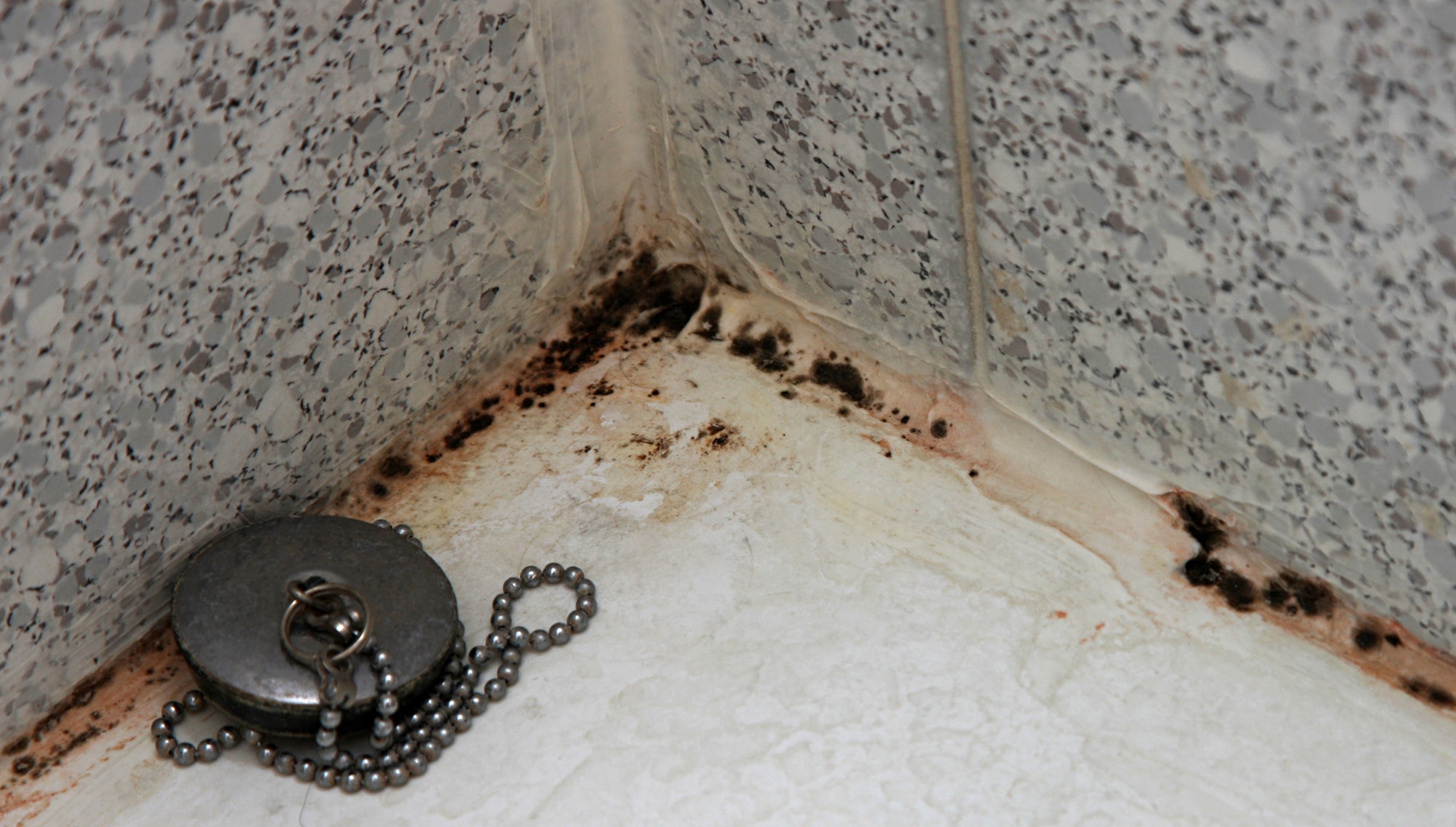
Sparkling, clean bathroom tiles aren't just a matter of aesthetics; they're a sign of a well-maintained home and a healthy lifestyle. Over time, even the highest-quality tiles develop a matte, whitish film, yellow stains from rusty water, and black mold can grow in corners and grout. Removing these stains with standard dishwashing detergent or a regular rag is often futile. A strategic approach, an understanding of the chemistry involved, and the right arsenal of products, both store-bought and homemade, are required. This article offers detailed instructions from an experienced DIYer that will help you restore your tiles to their original appearance without unnecessary expense or risk of damage.

The main enemy of bathroom tiles is limescale, or simply "limescale." It forms from calcium and magnesium salts, which are abundant in hard tap water. After each shower, microscopic droplets of water saturated with these salts remain on the surface. The water evaporates, and the salts crystallize, forming a hard, rough layer. Over time, this layer becomes porous and begins to absorb dirt, soap residue, and dyes from cosmetics, forming stubborn yellowish stains. High humidity poses an additional problem, providing an ideal breeding ground for mold and bacteria, especially in grout.

Professional Chemical Arsenal: What to Buy at the Store
The modern household chemical market offers dozens of specialized bathroom products. They can be roughly divided into several categories based on their mode of action. Acidic products (often based on hydrochloric, phosphoric, or sulfamic acid) are excellent at dissolving limescale and rust. Alkaline products are effective at removing grease and soap deposits. Chlorine-containing compounds are powerful antiseptics that kill mold and mildew and also have a bleaching effect. Combination formulas combine several ingredients for a comprehensive effect.
When choosing a store-bought product, it's important to read the label. Abrasive products are absolutely not suitable for glazed, glossy tiles, as they will leave scratches on the surface, which will then attract even more dirt. For matte or textured tiles, such products are sometimes acceptable, but use with caution. Gels and sprays are the best; they are applied to the surface, left for 5-15 minutes (but not allowed to dry completely!), and then rinsed off with a sponge or brush. Trusted brands include Cillit Bang for limescale removal, Domestos or Belina for disinfecting and bleaching grout, and Mister Muscle for comprehensive cleaning.

Folk remedies that really work
It's not always possible or desirable to use harsh chemicals. Fortunately, every homeowner has products in their kitchen that are surprisingly effective at combating bathroom stains.
- Vinegar (table 9% or vinegar essence). This is perhaps the king of folk remedies for limescale removal. The acid dissolves calcium salts. To clean a shower head or faucet, you can pour undiluted vinegar into a bag, secure it to the part for a few hours, and then simply wipe it off. For walls, prepare a solution: 1 part vinegar to 1-2 parts warm water. Spray, wait 10 minutes, and rinse. To enhance the effect, create a reactive "fizzy" effect: apply baking soda to the damp surface, then spray on vinegar. This causes a vigorous reaction, creating foam, which dissolves even old limescale.
- Citric acid. It works similarly to vinegar, but has a more pleasant scent. Citric acid powder is diluted in hot water to form a paste and applied to problem areas. It works great for removing stains from glass shower doors.
- Baking soda. A mild abrasive and alkaline solution. A baking soda paste (baking soda and a little water) is good for cleaning grout and soap deposits. It won't scratch the glaze, but it does require some physical effort.
- Hydrogen peroxide (3%). An excellent antiseptic and mild bleach. It's especially good for refreshing grout. Apply to the grout, possibly mixed with baking soda, leave overnight, and scrub off with an old toothbrush in the morning.
- Ammonia. Effectively removes stubborn soap stains and adds shine to chrome surfaces. Due to the strong odor, make sure to work with the ventilation turned on.

General Cleaning Algorithm: A Step-by-Step Plan
To ensure that cleaning is effective and does not turn into an endless struggle, act systematically.
- Dry cleaning. Remove all unnecessary items from the bathroom: rugs, bottles, baskets. Brush dust and cobwebs from the ceiling and upper parts of the walls with a dry brush or cloth.
- Pre-moistening. Wet all surfaces thoroughly with warm water from a spray bottle or shower. This will help loosen the top layer of dirt.
- Application of the active composition. Treat all surfaces with your chosen product (chemical or natural), paying special attention to joints, corners, and the area around the faucet and drain. Don't forget the ceiling if it's tiled.
- Excerpt. Allow the product to work for the time specified in the instructions. Do not allow it to dry completely.
- Mechanical cleaning. Brush all surfaces with a soft-bristled brush or sponge. For grout, use an old toothbrush or a special narrow brush.
- Wash. Thoroughly rinse off all detergent residue with plenty of clean water. This is important to avoid leaving streaks and chemical films.
- Drying and polishing. Wipe all surfaces dry with a microfiber cloth. Chrome parts can be polished to a high shine with a dry, soft cloth.
Prevention: How to keep your home clean for longer
Any problem is easier to prevent than to heroically solve. A few simple habits will minimize the need for a thorough cleaning.
- Regular ventilation. After showering, leave the bathroom door open, and if you have an exhaust fan, turn it on for 15-20 minutes. Reducing humidity is the main enemy of mold.
- The "after" system. Train yourself and your family to scrape large drops of water off the walls and faucet with a rubber squeegee after each shower or sink use. This takes 30 seconds, but it will dramatically reduce limescale buildup.
- Seam protection. Treat the grout between tiles with a special hydrophobic (water-repellent) compound or impregnation. This will stop it from absorbing water and dirt.
- Proper drying of clothes. Avoid drying large loads of laundry in the bathroom. If there's no other option, ensure good ventilation.

And one last piece of advice: don't neglect minor repairs. A leaky faucet or condensation on the pipes creates constant sources of dampness, ruining all cleaning efforts. A clean, sparkling bathroom isn't the result of a titanic effort once every six months, but the result of proper daily maintenance and proper organization of the space.