






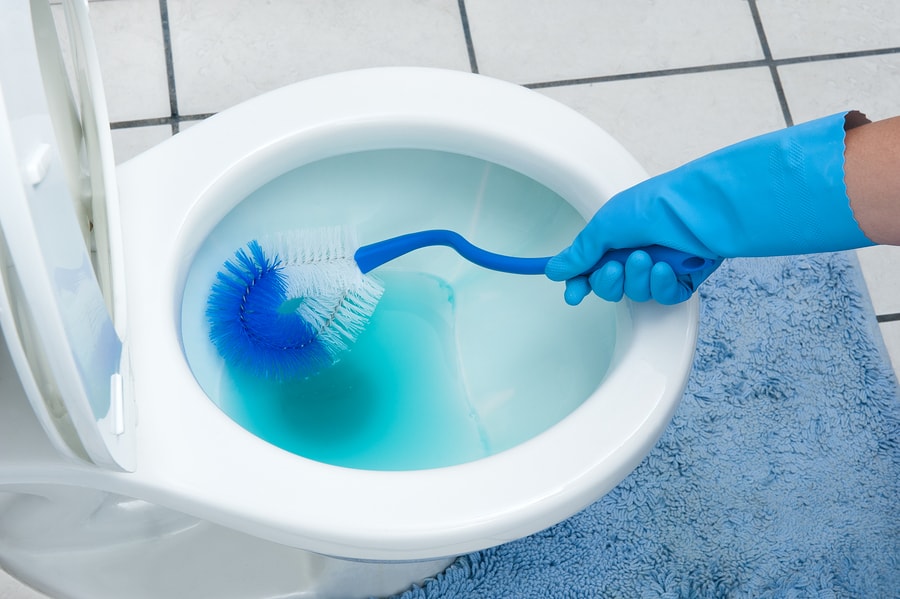
A clean toilet is the hallmark of a well-maintained home. But even with regular care, unsightly deposits appear on the surface over time: yellow limescale, rusty stains, and dark rings of urinary calculus. Trying to remove them with conventional cleaning products is often futile—they simply don't remove stubborn dirt. Many housewives, in desperation, buy harsh chemicals, wasting time and effort, only to see subpar results. The secret to successful cleaning lies in understanding the nature of the stains and choosing the right products. Limescale is a deposit of calcium and magnesium salts found in hard water. Urinary calculus is a mixture of mineral salts from the water and organic components of urine. Rust is caused by oxidized iron particles in tap water. Each type of stain requires its own "key.".
Before starting any cleaning, it's important to remember the safety and security of your plumbing fixtures. Modern toilets are coated not with enamel, but with glaze (glazed ceramic), which, while durable, can be damaged by abrasives and concentrated acids. Therefore, avoid using metal brushes, knives, and cleaning powders with large particles. They leave micro-scratches that become even more susceptible to dirt. Always wear rubber gloves and, if using volatile agents (chlorine or acids), wear a respirator and keep the ventilation open. Never mix different chemicals, especially those containing chlorine and acid! Their reaction can release toxic gas. Most importantly, start with the gentlest methods, moving on to stronger ones only when necessary.

Gentle folk remedies for regular care
If the stain is fresh and not too thick, affordable products found in every kitchen will do the trick. Their main advantages are surface safety, eco-friendliness, and affordability. A classic combination is vinegar and baking soda. Acetic acid dissolves limescale deposits well, while baking soda has a mild abrasive and degreasing effect. How it works: First, generously sprinkle baking soda on a dry toilet bowl, especially in problem areas under the rim and near the drain hole. Then, take some 9% table vinegar, warm it slightly (warm acid is more effective), and carefully pour it over the baking soda, avoiding excessive bubbling. The reaction begins with hissing and foaming. Leave this "mask" on for several hours, or preferably overnight. In the morning, scrub with a toilet brush and rinse. For a more effective effect, you can add a couple of drops of iodine to the mixture.
Another effective and safe remedy is citric acid. It also works well against hardness salts. Take 3-4 tablespoons (about 100 grams) of powdered citric acid and spread it evenly over the dirty surfaces inside the toilet. If possible, use a cloth or sponge to apply the acid under the rim, where the most plaque accumulates. Leave it for 2-3 hours. During this time, the acid crystals will dissolve and begin to work. Afterwards, clean with a toilet brush and flush the toilet several times. If not all the deposits come off the first time, you can repeat the procedure. For a light preventative measure and refreshment, simply periodically pour the remains of carbonated water, such as Coca-Cola or Sprite, into the toilet. The phosphoric acid in these products gently dissolves the initial plaque, and the gas bubbles help to mechanically loosen it.

- Vinegar + soda. Add baking soda and warm vinegar. Leave overnight. Effective against fresh limescale and light rust.
- Citric acid. Sprinkle 100g of powder over the surface and leave for 3-4 hours. Safe for plumbing, it effectively removes whitish stains from hard water.
- Carbonated drinks (Coca-Cola, Sprite). Pour 1-2 liters into the toilet and leave for several hours or overnight. The phosphoric acid it contains dissolves the dirt.
- Oxalic acid. Sold in powder form at hardware stores. Make a paste, apply it to the stain, and rinse after 30-40 minutes. It's an excellent rust remover.
- Hydrogen peroxide + ammonia. Mix in a 9:1 ratio, apply to problem areas with a sponge, leave for 20-30 minutes, and rinse. It has a whitening and disinfecting effect.
Professional and powerful chemicals for complex cases
When folk remedies fail to combat long-standing deposits, household chemicals can help. When choosing a store-bought product, carefully read the ingredients. Acidic cleaners are the most effective against limescale and rust. They contain hydrochloric, phosphoric, or sulfamic acid. Examples include "Silit" for toilets, "Active Toilet Duck," and "Domestos Supersila Anti-Limescale." These cleaners should be applied directly under the rim and to problem areas, left for the time indicated on the packaging (usually 15-30 minutes), and then rinsed thoroughly. Important: after acid treatment, the surface may become slightly rough, so do not overuse such cleaning methods and always rinse thoroughly.
Alkaline solutions based on sodium hypochlorite (bleach) or caustic soda are used to combat organic stains and for disinfection. They effectively break down organic matter, bleach, and kill bacteria. These include the familiar "Belina," "Comet Toilet Gel," and "Sanitarny." They are applied, left overnight, and rinsed off. Remember that chlorine-containing solutions have a strong odor and can damage colored plumbing fixtures. The most powerful are combination solutions containing acid, alkali, and abrasive particles. They tackle complex stains, but are also the most aggressive. They should be used with extreme caution. For stubborn urinary stones, special solvents based on high-concentration hydrochloric acid (for example, "Krot Super") are sometimes used. Working with these solutions requires maximum safety precautions: goggles, gloves, a respirator, and good ventilation.

How to clean specific stains: rust and old stone
Rust stains are a particular headache, especially in homes with old iron pipes. Regular cleaning products are ineffective. Phosphoric acid is the best rust remover. You can buy a pure solution of it at chemical supply stores or as part of a rust converter. Apply the acid to the rust stains with a brush, leave it for 10-15 minutes (do not let it dry), then scrub with a brush and rinse with plenty of water. Another specific, but very effective, method is to use lead-acid battery electrolyte (a sulfuric acid solution). This is a last resort! Electrolyte is incredibly aggressive and can damage not only the stains but also the plumbing fixtures and sewer pipes. If you decide to try, just drop a few drops on the rust, neutralize it with baking soda after a minute, and rinse thoroughly.
Stubborn urinary calculus, which forms rough brown rings at the water level, is the most difficult stain to remove. It is both mineral and organic in nature. A comprehensive approach is effective. First, treat the calculus with an alkaline chlorine-containing solution to dissolve the organic matter. Leave the bleach or chlorine gel on the ring for several hours. Then drain the water and turn off the water supply to the tank to prevent any residual solution from causing a disturbance. Now apply an acidic solution to the dry calculus. You can use a special calculus remover or, again, Silit. Leave it on for the maximum time specified in the instructions. During this time, the calculus will soften and can be scraped off with a wooden or plastic scraper (not metal!). This procedure may need to be repeated.
- From rust: Orthophosphoric acid, oxalic acid, specialized products "Sanox Anti-Rust", "Cillit Bang Rust and Limescale".
- From old limescale: acid gels containing hydrochloric acid ("Toilet Duck Active", "Silit"), sulfamic acid.
- For urinary stone: Sequential application of a chlorine-containing alkaline agent, followed by a concentrated acidic one. Mechanical removal of softened deposits with a plastic scraper.
- For disinfection and bleaching: products containing sodium hypochlorite (Belina, Domestos), hydrogen peroxide.
After any intensive cleaning, the toilet requires care. Flush it several times to remove any chemical residue. To restore the smoothness of the glaze, you can wipe the interior with a dry cloth with a few drops of glycerin or vegetable oil—this will create a temporary protective film. But the best way to combat deposits is to prevent them from forming. Install a water filter at the entrance to your apartment—it will reduce hardness and iron levels. Use tablets or suspended units for the cistern—they soften the water with each flush and gradually dissolve fresh deposits. Regularly, once a week, clean the toilet with a regular, non-abrasive gel. And never leave chlorine-containing products on the surface for long periods of time—they dry out and cause minor damage to the glaze. This comprehensive approach will keep your plumbing spotlessly clean without much effort.