








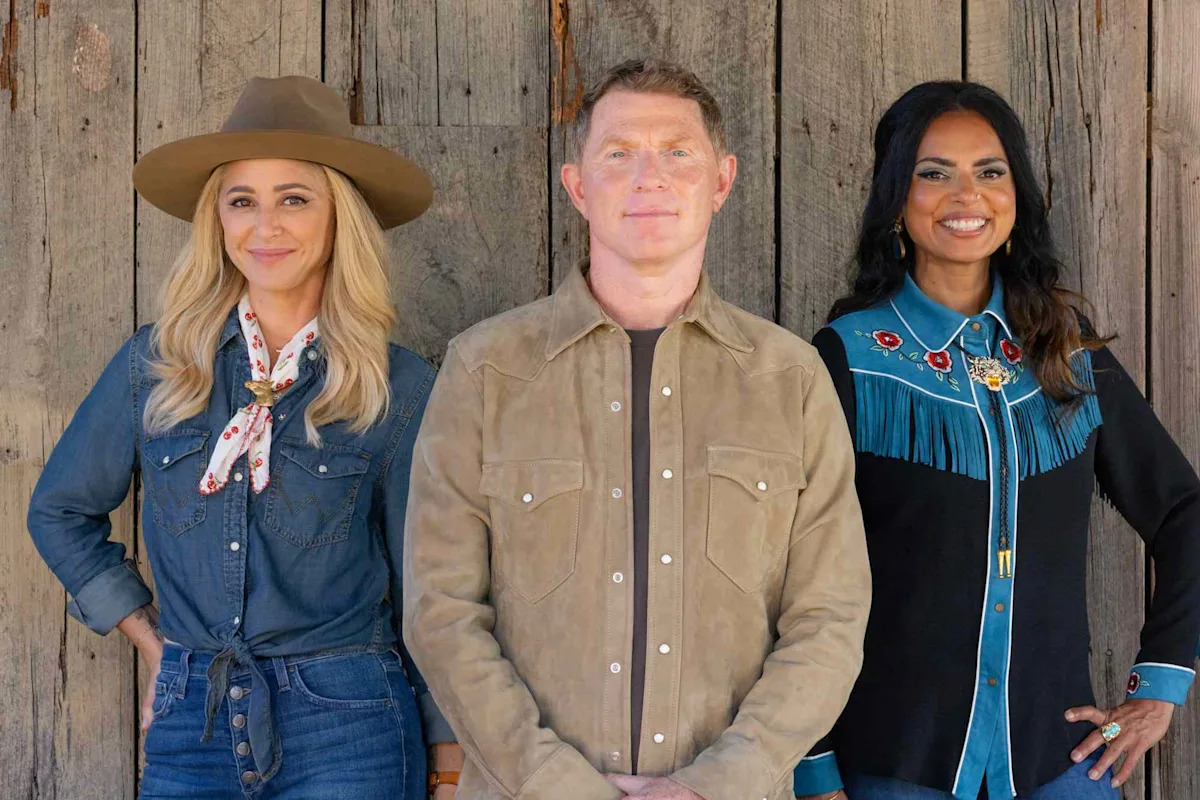
A trademark is something used to validate and protect your intellectual property. You come up with an adorable cartoon mouse that steers a boat; you trademark it so no one can steal it and then build an empire. Simple. But sometimes those seeking a trademark have trouble understanding what exactly constitutes intellectual property, and instead try to establish a somewhat broad and, dare we say it, greedy notion of what may cover a trademark.
10. Disney tried to trademark Team 6
Let's start with what will be a recurring theme in some of these posts. At some point, a trademark became less a way to protect an idea and more a way to get people to pay you for speaking out about something in the public eye.
On May 3, 2011, Disney attempted to trademark "SEAL Team 6." This followed the assassination of Osama bin Laden, once the world's most wanted man and the terrorist who masterminded the September 11 attacks.
SEAL Team 6 became big news after the incident, and Disney apparently thought they could cash in on it if they owned the name. Of course, given that SEAL Team 6 was a group of real, living people, and SEAL teams are members of the Navy, and neither has any affiliation with Disney, the plan fell through. Perhaps this has something to do with the fact that the trademark request would also cover things like snow globes and Christmas stockings.
Less than two weeks later, Disney dropped its trademark request after a media scrutiny. Disney's plan was to create a TV show like NCIS , about Navy SEALs. The Navy had to retaliate to protect the name, as they are in fact Navy SEALs, and the whole thing made Disney look greedy and opportunistic. Ironically, six years later, CBS developed a show called SEAL Team .
9. Disney tried to trademark Dia De Los Muertos

Let's not let Disney off the hook just yet. Two years after launching their SEAL team, they attempted to trademark an entire holiday, filing a lawsuit to make Dia de los Muertos part of the House of Mouse. Dia de los Muertos is a widely celebrated holiday in Mexico that includes large celebrations designed to honor and remember those who have passed away. Despite its seemingly somber nature, it's also supposed to be a lively and joyful time.
In 2017, Disney/Pixar released the film «Coco» , but in the lead-up to its release, they hadn't settled on a title or the idea that it would be about the Day of the Dead. They filed for a trademark and immediately faced backlash from people who accused them of exploitation and cultural appropriation. Disney's trademark attempt would have covered everything from fruit baskets to jewelry. They even abandoned non-medicated toiletries. .
The backlash led to a widespread petition and protests. Disney eventually relented, suggesting they only wanted to trademark the title of their film and had decided to use a different name.
8. Harley Davidson tried to trademark the sound of their motorcycles.

Harley Davidson arguably produces the most famous motorcycles in the world. They are highly coveted and quite well-known in biker culture. And while Harleys do have a distinctive look, the company believes they also produce a distinctive sound. So distinctive, in fact, that it's worthy of trademark protection.
For six years, the company fought in court to claim not only the sound but also other design elements, such as the teardrop-shaped gas tank, the curve of the fenders, and the overall shape of the motorcycles. Other manufacturers launched legal battles, as some of these elements were arguably quite generic, and the engine sound was not a Harley sound per se, but the sound of any motorcycle with a V-twin engine. Eventually, the company gave up and abandoned its efforts. According to a Harley spokesperson, the company was tired of spending millions on a case with no end in sight.
7. A French company attempted to register a trademark for strawberry flavor.
Trademarks can be tricky things. A character, a movie title, a song title—all of these things make sense as potential trademarks. But what about more esoteric things? We've just seen an attempt at a sound, but what about flavors? Or smells?
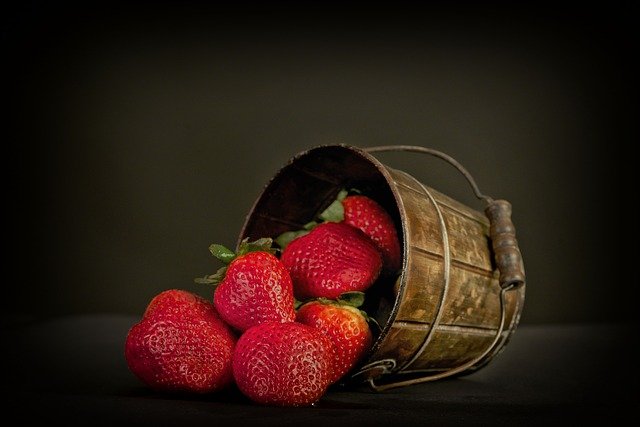
In 2005, a French company attempted to trademark the scent of strawberries. This, too, wasn't a completely random occurrence. A Dutch company had somehow managed to trademark the scent of freshly cut grass, which they used to make tennis balls. As meaningless as this phrase may seem, it's still true.
Eden Sarl attempted to register the strawberry scent for use in soaps and lotions. However, they were denied on the grounds that one strawberry can smell different from another, so you can hardly call the strawberry scent your signature scent.
6. Subway tried to register the Footlong trademark

Most restaurants that sell submarine sandwiches offer them in 6-inch and 12-inch sizes. The 12-inch subs are often called footlongs because they're a foot long. It's not too hard to figure out. But Subway, the largest sandwich chain, decided it wanted to own the term "footlong" and went so far as to send cease and desist letters to other sandwich chains stating that they could no longer legally use the term "footlong" as Subway had claimed.
The letter-writing could be described as bold and underhanded, as Subway had only filed for a trademark and by no means legally owned the term. And even after the trademark officer reviewed the application, it was still rejected. In fact, Subway kept the matter under wraps for nearly seven years, trying to prove that people around the world firmly associated the idea of a foot-long sandwich exclusively with their brand. The office disagreed, pointing out that most people simply think it describes the size of the sandwich, not the restaurant that makes it. This meant they had to remove the ™ symbols they had added to all their menus for a term they had never trademarked.
5. McDonald's can't keep the EU trademark on "Mc"«
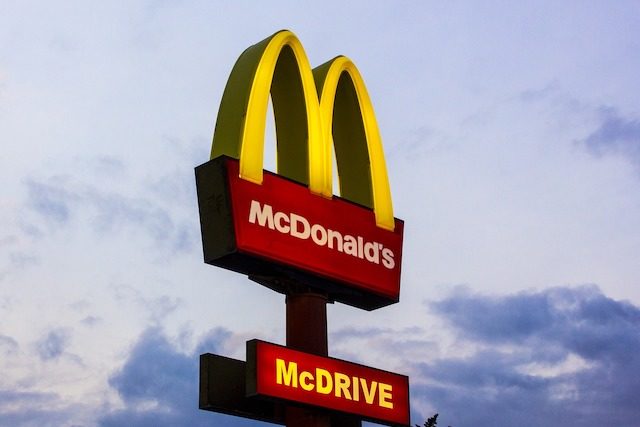
McDonald's is a branding company, as evidenced by its menu, which includes McNuggets, McFlurry, McMuffin, McWrap, McChicken, and McEverything. Unsurprisingly, the company attempted to trademark the "Mc" prefix in Ireland, but things didn't go so well thanks to Supermac's, another fast-food chain.
The European Union had to decide who had the right to use the "Mc" prefix, but Supermac's, which has been based in Ireland since 1978 and has over 100 stores, managed to retain its right. The case determined that McDonald's hadn't proven any exclusive ownership of the "Mc" prefix, but also acknowledged that some products, like McNuggets, were so well-established that the trademark could be retained. They simply couldn't have carte blanche to use it for every product under the sun. Since they hadn't done anything with it for at least five years, which under the EU meant they weren't taking the trademark seriously, this effectively opened the door for Supermac's or any McRestaurant.
4. Damon Wayans tried to trademark an offensive term

Comedian Damon Wayans is never averse to causing trouble for others when he has the motivation to do so. He was reportedly fired from «Saturday Night Live» After a very short run due to creative differences, he went off-script and played a minor character, a flamboyant and stereotypically gay man.
Some time later, Wayans attempted to trademark a word we simply won't pronounce here. To be as clear as possible, it was a version of the N-word ending in a soft A.
Wayans's attempt to trademark the word was intended for use on a clothing line and in a retail store. The attempt was rejected twice by the trademark office, and although they didn't provide a formal reason, trademark lawyers had no trouble explaining it. The book contains rules regarding trademark terms that are scandalous or offensive to a group of people.
While many have tried to trademark the word in the past or argued that it is not offensive in certain contexts, the trademark office disagrees.
3. Donald Trump tried to trademark "You're Fired"«
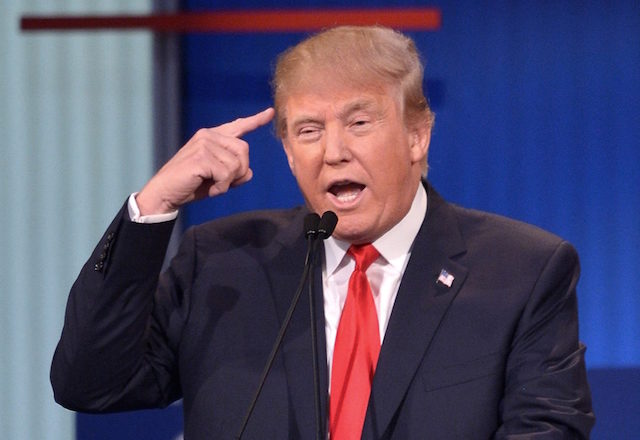
Before ruling the free world, Donald Trump ran a reality TV conference room on the show «"Student"» . Each week, a contestant (possibly a celebrity) would be fired from the show after Trump would taunt them with the phrase, "You're fired." It became something of a catchphrase, and naturally, Trump tried to trademark it. .
The plan was to copyright it for use in games, but the attempt was abandoned due to concerns that it would be confused with an existing game called You're Hired.
2. Cheerios tried to register the yellow trademark
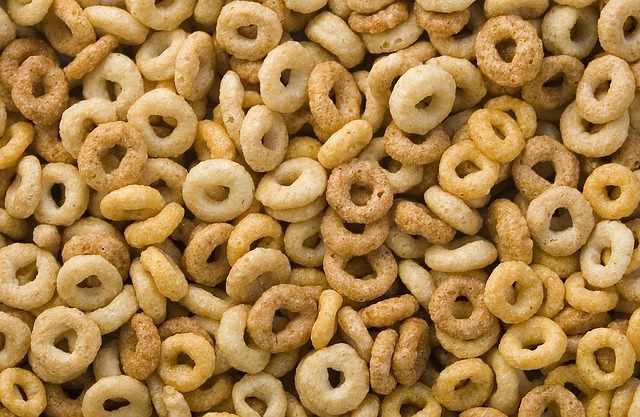
Walk into any supermarket today, and you'll find dozens of different types of cereal on the shelves. There are so many cereals that they often have their own separate section in stores. And one of the most easily recognizable is Cheerios, with its iconic bright yellow packaging.
General Mills, the company that makes Cheerios, was so convinced of this iconic status that they filed to trademark their box. Not the name, which they had already trademarked, not the design, not the font, not anything that seemed worthy of trademarking. No, they wanted to trademark the yellow mark. The color yellow.
Their attempt ended in court, where they lost their flamboyant bid. The ruling stated that they had done literally nothing to claim ownership of the color yellow, and that many other cereals are sold in yellow boxes. Indeed, Corn Pops, Golden Grahams, Honey Bunches of Oats, Sugar Crisp, Cap'n Crunch with Crunch Berries, and many others also come in yellow boxes.
The court also pointed out that Cheerios come in a variety of flavors, and none of the other boxes, such as Honey Nut Cheerios, even use the color yellow, so they are not similar in color.
1. A businessman tried to register the trademark "September 11, 2001"«
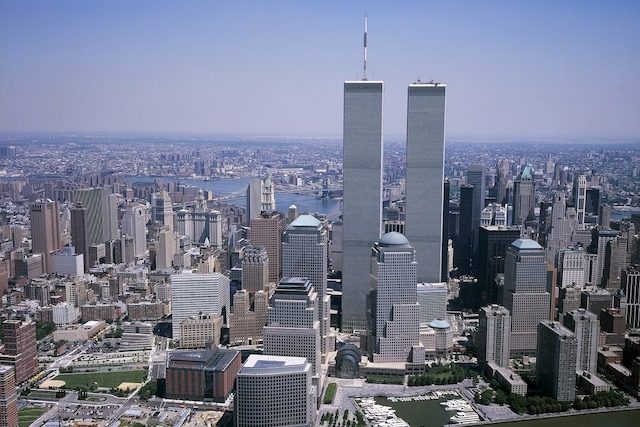
Sometimes what would otherwise be an unremarkable and mundane trademark becomes borderline horrific and offensive simply because of timing and circumstances. Such was the case when businessman Moti Schneeberg attempted to trademark "September 11, 2001.".
While much of the world was reeling from the most brazen terrorist attack in history and the deadliest on American soil, as it played out in real time, live on television, with the Twin Towers collapsing in flames and people jumping to their deaths in a desperate attempt to escape, Schneeberg realized he had witnessed something enormous and historic, and he wanted to capitalize on it.
The trademark application was to cover the use of the historical date in "various forms of entertainment, including television dramas, news shows, theatrical productions, musical variety shows, news, and comedy shows." He claimed it would be for charitable purposes. Of course. Of course it was.
Shniberg was one of more than two dozen others who tried to file some kind of claim regarding the date and its events. Many of them wanted to register its use as a slogan so they could put it on hats, mugs, and the like. Who wouldn't want to wear a trendy 9/11 hat with a "Hindenburg" T-shirt?
All claims were rejected because you can't register a date or anything that the public can't recognize as a trademark.