








By the time you're old enough to walk, your parents will likely have put serious effort into teaching you the difference between what's safe to eat and what's not. We have symbols on packaging to tell us whether certain foods are poisonous, and rules and regulations for other foods, like chicken and beer, to help us understand how to handle and prepare them safely so no one gets sick from bacteria. After all, no one wants to eat poison. Except for a few cases where we've gone ahead and found a way to do just that, avoiding the danger of snacking on delicious food just because we can.
10. Just 2 teaspoons of nutmeg can cause toxic effects.
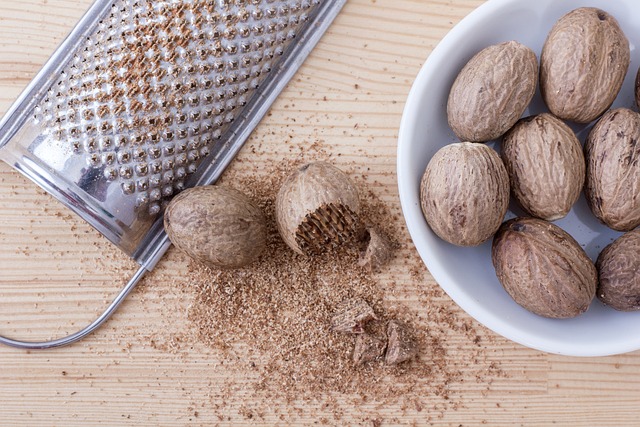
Every fall, the pumpkin spice craze sweeps the Western world, adding flavoring to coffee, cakes, cereal, and even cat litter. Real spice mix It has nothing to do with pumpkin, though it's a necessary addition to any pumpkin pie recipe and includes cinnamon, ginger, cloves, and nutmeg. Nutmeg, in particular, is one of the most aromatic ingredients, truly giving the mixture its iconic aroma and flavor. But nutmeg alone isn't as safe as most people think.
Nutmeg can actually cause intoxication , and, in fact, the spice has been touted as a kind of all-natural, low-budget way to get high for years. Using nutmeg medicinally can lead to acute psychotic symptoms, as well as dizziness, hallucinations, seizures, organ failure and, in some cases, when combined with other drugs, to death.
The toxic compound in nutmeg is called myristicin, and it affects your body almost identically to mescaline. Just 10 mg, or 2 teaspoons, of nutmeg can cause symptoms of myristicin toxicity.
9. Pufferfish are not poisonous by nature.
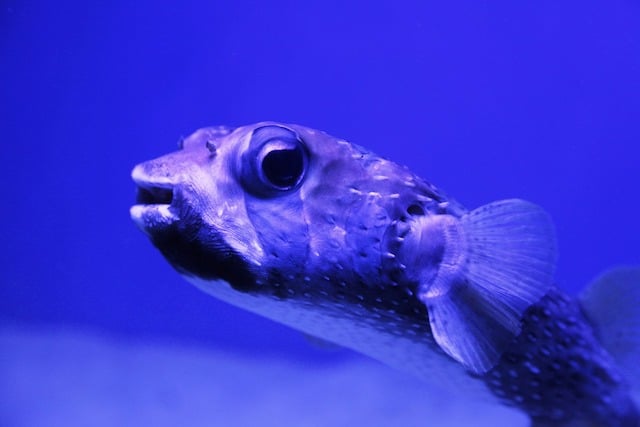
Fugu, or pufferfish, was a notorious food that most of us have heard of, even if we've never seen it in person. There's even an old episode «The Simpsons» 1991 , in which Homer eats a potentially fatal dish.
The toxicity of the puffer fish comes from what is called tetrodotoxin , which concentrates in fish liver. If you consume the toxin, it blocks nerve cells in your body. As a result, your muscles can no longer contract. A mild case may cause numbness and possibly difficulty breathing. But in severe cases, when your muscles can't contract at all, your lungs and heart can't function, and you die.
The thing is, pufferfish toxin is not a natural part of the fish. from bacteria , which live in the same habitat as the fish they eat. You can get farmed pufferfish that are 100% non-toxic , because the fish is never exposed to dangerous bacteria. But otherwise, you can always try traditional fugu prepared by a highly experienced chef who has been trained to cook the fish while removing the poison. They do a decent job, and, It seems like someone dies from this every year only a handful of people , so perhaps the odds will be in your favor.
8. Most species of wild almonds are poisonous.
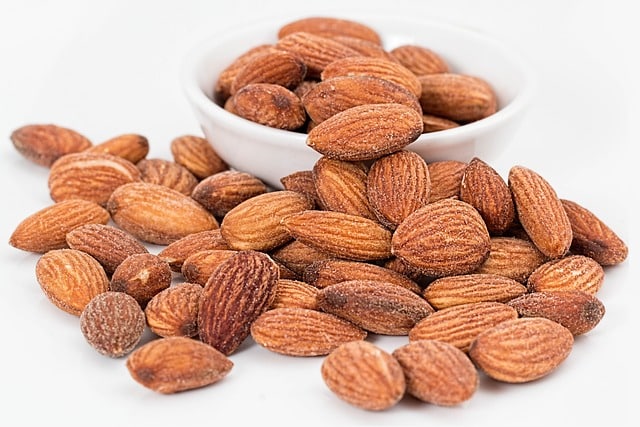
In California alone, the almond industry is worth 11 billion dollars, Which proves that people are truly crazy about these nuts. Almond milk has become a major player in the almond world, but the nuts themselves remain extremely popular and are widely used as snacks, cereal, chocolate bars, and more. Somewhat ironically, they are only accidentally edible.
Researchers sequenced genome almonds back in 2019 and determined that the modern, delicious almond is a genetic mutation. Old-school almonds were toxic across the board—and even today, if you try to eat a wild almond, it will taste bitter and potentially fatal if you eat it. about 50 pieces . There is enough cyanide to kill a healthy adult, and more than enough to kill a child.
A mutation in today's delicious almond disabled the tree's ability to produce toxic compounds. It was a chance occurrence that farmers seized upon and turned into an industry.
7. Poisonous potatoes can be safely eaten with clay sauce
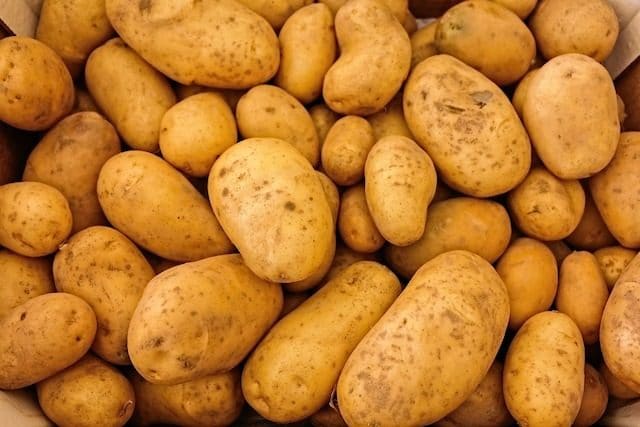
Potatoes have a decidedly strange history. First grown in Peruvian Andes Thousands of years ago, the tubers arrived in Europe in the 1500s, where they were viewed with distrust. For some time people thought that they cause leprosy . Of course, they were soon adopted, became widespread, and are perhaps today one of the most popular and important foods in the world. But that's today.
If you go back to Peru, there is a tradition there potatoes with clay . They make a clay sauce to coat the potatoes to make them more palatable, as strange as that may sound. Clay itself is unpalatable and tastes like salty mud. But some local potato varieties are very bitter, and the clay sauce they're eaten with neutralizes this.
Besides making potatoes more palatable, the clay served another purpose: neutralizing toxins. Wild potatoes contained compounds called solanine and tomatine . The toxins bind to the clay and pass through the digestive system. Although locals have managed to grow non-toxic potatoes, some strains still exist, and they are still served with clay sauce to make them edible.
6. Cashews in the shell are poisonous
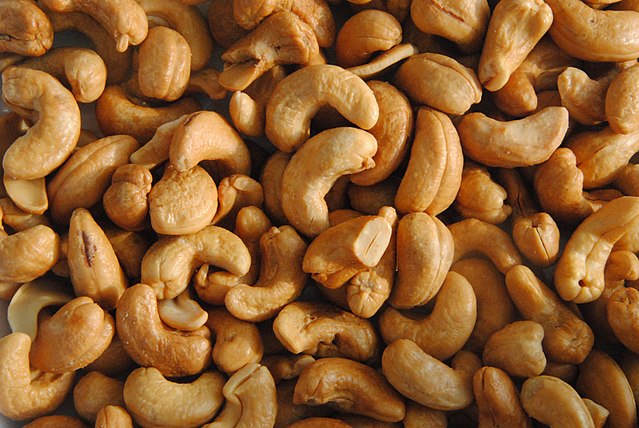
If you love peanuts, you can usually find them shelled or unshelled in stores everywhere. Pistachios are often sold in their shells, but you can buy them shelled, too. Walnuts and almonds are usually shelled, but especially during the holidays, you can make a nutcracker and do the job yourself. Almost any nut you might want to eat can be bought in its shell, except cashews. That's because shelled cashews are poisonous. And you don't have to eat the shell to experience the effects. The oil in cashew shells can cause rash and blisters .
Cashews belong to the same family as poison ivy and poison sumac, which is why they produce an irritating oil. Although rare, eating cashews that you handle yourself and that haven't been properly roasted or steamed to destroy the oil can lead to hospitalization due to these things., like dermatitis . If a person had a sensitivity to oil and ate too many cashew nuts, the reaction could have been fatal .
5. Greenland shark meat must be fermented to be edible.
Most of us will never see a Greenland shark, let alone eat one, but you know that if there's anything with a face in the world, someone else has tried to eat it. The problem with trying to eat Greenland sharks, these slow-moving and remarkably long-lived ocean dwellers, is that their meat is toxic.
Greenland shark meat contains something called trimethylamine oxide, which is converted into trimethylamine . Trimethylamine consumption causes effects similar to alcohol intoxication, which may begin with nausea and vomiting, progressing to the point of blindness and, finally, lead to death.
Humans cannot eat the Greenland shark, so the meat must be processed. In Iceland, the meat is fermented for six months or dried. Dried shark is fed to sled dogs, but the fermented dish, known as hákarl, is an Icelandic delicacy. The flavor is described as fishy or rotten. aftertaste of urine . From the sound of it, it's not the best, but at least it won't kill.
4. Cassava root contains cyanide.
Tapioca is produced from cassava, and its large tuberous roots are widely consumed worldwide. While cassava is not as abundant in North America as in other countries, African countries produce it annually. billions of tons root, and in many of them it is a staple crop. The root can be consumed in many forms, including flour, but it must be processed properly. Raw cassava can be fatal.
Raw cassava contains cyanogenic glycosides. If you eat them, they can convert into cyanide in your body. The best way to prevent this is to soak cassava root in water, which breaks down these dangerous compounds. The root is traditionally prepared in this way.
There have been many documented cases of a disease called konzo in Africa, which causes paralysis among other symptoms associated with cassava, partly because the tradition of soaking the roots in a stream for a week is sometimes abandoned due to various factors, including war. People cannot rely on having the time and stability to properly prepare cassava.
3. Just 4 or 5 raw beans can cause poisoning.
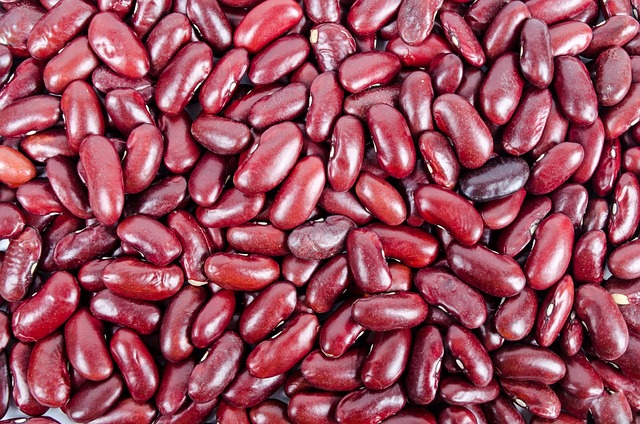
Red kidney beans are one of the most popular legumes in the world. In the US alone, farmers produce their more 86,000 metric tons . They're typically sold either dried in bags, where they need to be soaked for several hours before being eaten, or in cans, where they're ready to eat right away. But you rarely see raw red kidney beans, and for good reason—they're highly toxic.
Red beans contain compounds, called lectins . Eating four or five raw beans can cause toxic effects, the symptoms of which worsen the more you eat. Therefore, if you cook raw beans, you need to follow proper cooking procedures and ensure they reach a temperature that can kill the toxic compounds. Beans cooked in a slow cooker never get hot enough.
A particularly dangerous lectin has a cumbersome name. phytohemagglutinin . Raw beans can contain between 20,000 and 70,000 units of this toxin, while cooked beans may contain only 200 units.
2. The ackee fruit is deadly until it ripens naturally.
Ackee and salted fish - national dish of Jamaica , and if you've never tried it before, find a good Jamaican restaurant and try it, because it can be delicious. But you definitely want someone who knows what they're doing to make it, as ackee fruit is poisonous and leads to something sinister called Jamaican vomiting sickness .
As the name suggests, bad ackee can cause vomiting, as well as abdominal pain, cramps and death . If the fruit is ripe and opens on its own, it's ready to eat and perfectly fine. If it's unripe, be careful—that's where the trouble comes from.
The fruits should ripen on the tree and turn red, then open naturally. The edible part of the fruit contains a compound called hypoglycin . It's extremely toxic until the fruit ripens and the compound naturally degrades in sunlight. Otherwise, it causes severe hypoglycemia, or low blood sugar. This can be treated with dextrose if caught early.
1. Distillation of psychotropic compounds from mushrooms in reindeer urine

There are three types of mushrooms in the world, at least in terms of how a hungry person can use them. There are safe, delicious, non-toxic mushrooms that you can eat and enjoy throughout the day. There are relatively safe psychoactive mushrooms that will send you on a hell of a trip with hallucinations, but you'll still survive the experience. And then there are mushrooms that will kill you, some much more quickly than others.
The mushroom known as the fly agaric is somewhat ambiguous in terms of food safety. It can be classified as one of all three types of mushrooms, which doesn't make sense until you understand how people ate it.
With its red cap and white spots, it's a very recognizable mushroom, but it shouldn't be eaten raw. Or at least, it shouldn't be. Although this hallucinogenic compound is one of the most potent in the mushroom kingdom, consuming it in large quantities can cause nausea., convulsions and coma . It also looks almost identical to a handful of other mushrooms that are incredibly deadly, and even experts It's hard to tell them apart. So how do people use it safely?
The answer to this question lies in the reindeer. Mushrooms grow in the far north, and reindeer are known to, eat them often and safe. Then the reindeer herderscollect urine stoned reindeer and distilled to obtain the effects of hallucinogenic compounds without any of the other dangerous toxins that were filtered out by the reindeer.