








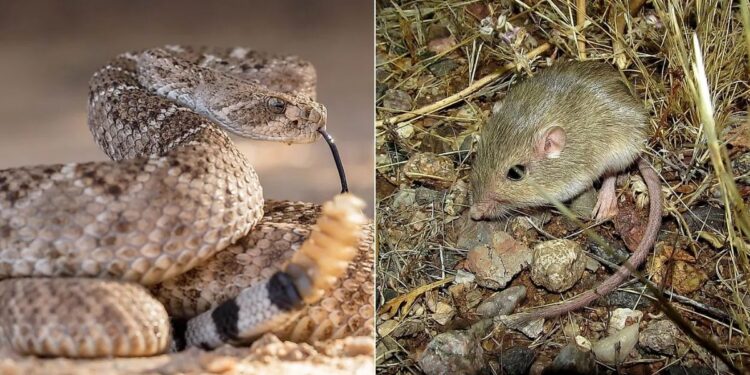
Due to limited water resources and scorching heat, deserts are among the most challenging places in the world for us humans to live. However, for creatures with incredible adaptability, the situation is quite different. The amazing animals that manage to survive even in these harsh conditions demonstrate nature's capacity for adaptation. Desert creatures are perfectly adapted to their environment in every way, from their body structure to their behavior. In this article, we'll share the survival secrets and amazing traits of desert animals, from rattlesnakes to camels. Here are the animals that live in the desert...
1. Rattlesnake
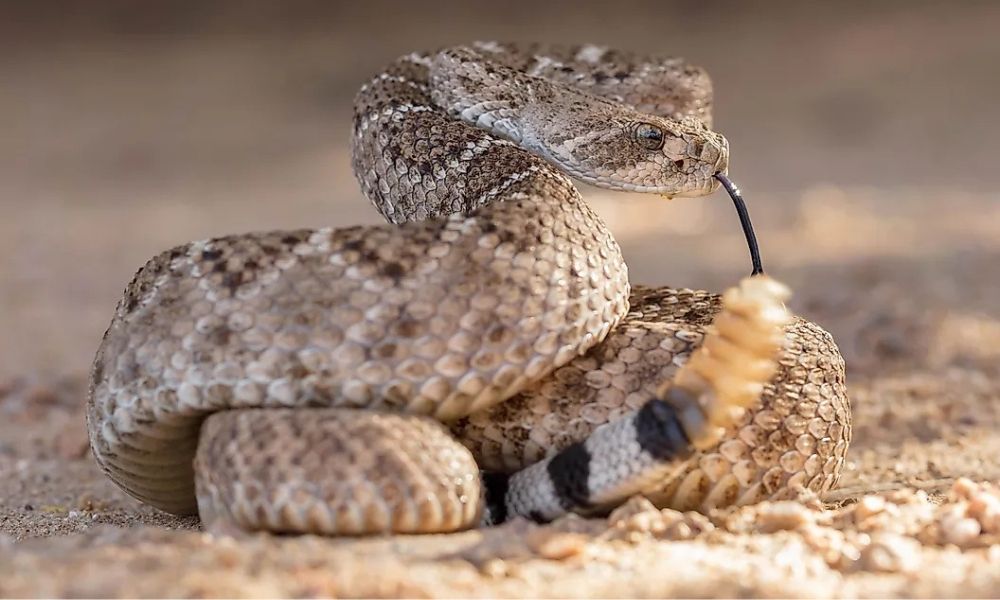
We begin our list of desert-dwelling animals. The diamondback rattlesnake, a symbol of the deserts of the United States and Mexico, is particularly common in the Mojave, Sonoran, and Chihuahuan deserts. This medium-sized snake is distinguished by its triangular head and coloration, ranging from dusty brown to pinkish-white. The hexagonal patterns on its body are almost a trademark. The rattle on its tail is made of a protein called keratin (the same as our hair and nails). This rattle vibrates more than 60 times per second, producing a loud sound that deters predators. Rattlesnakes feed on small mammals and swallow their prey whole. These snakes, which can go for weeks without water, make the most of this blessing by storing water in their skin when they find it.
2. Horned lizard
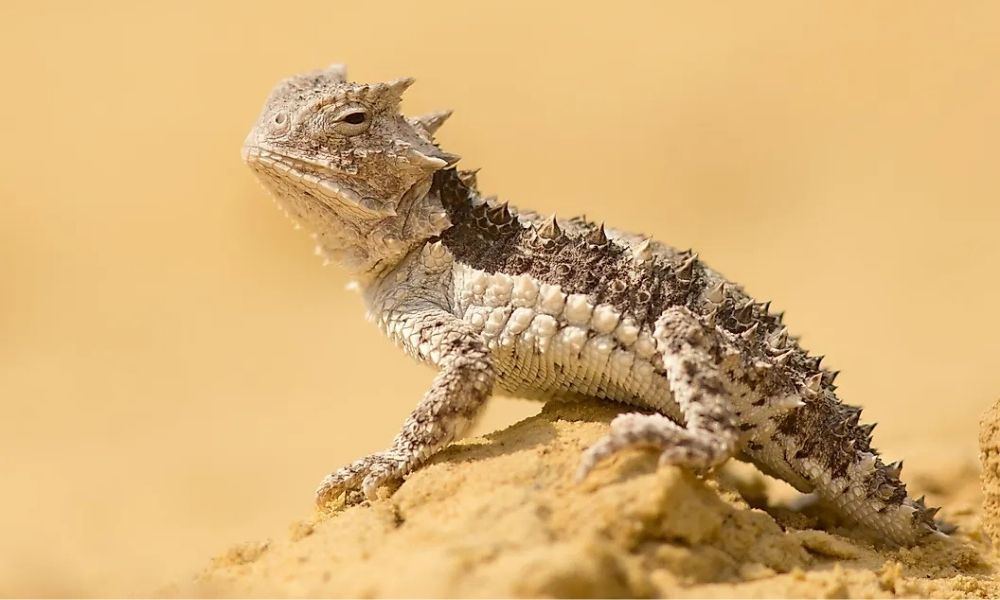
The horned lizard, native to the western United States, is known for its flat body and spiny scales. These medium-sized lizards are typically beige, reddish, or earthy in color, easily blending into their surroundings. When threatened, they inflate their lungs, filling them with air, making them difficult for other creatures to swallow. Even more interesting, they can bleed from their eyes to protect themselves! They can also direct water to their skin by stretching their backs during rain, and drink by lowering their heads to the ground. They feed on insects, especially ants, and burrow into the sand to escape the desert heat.
3. Bilby

This adorable marsupial, native to Australia, is known for its long, rabbit-like ears and blue-gray fur. The bilby is nocturnal, hiding in a burrow during the day and emerging at night to forage for food. By digging burrows, they aerate the soil, which helps plant seeds germinate. Thus, the bilby makes an important contribution to the ecosystem. It obtains its water needs from the plants and insects it feeds on, making it resilient to desert life.
Some animals slow down the heartbeat! Strategies animals use to survive the winter season.
4. Red kangaroo
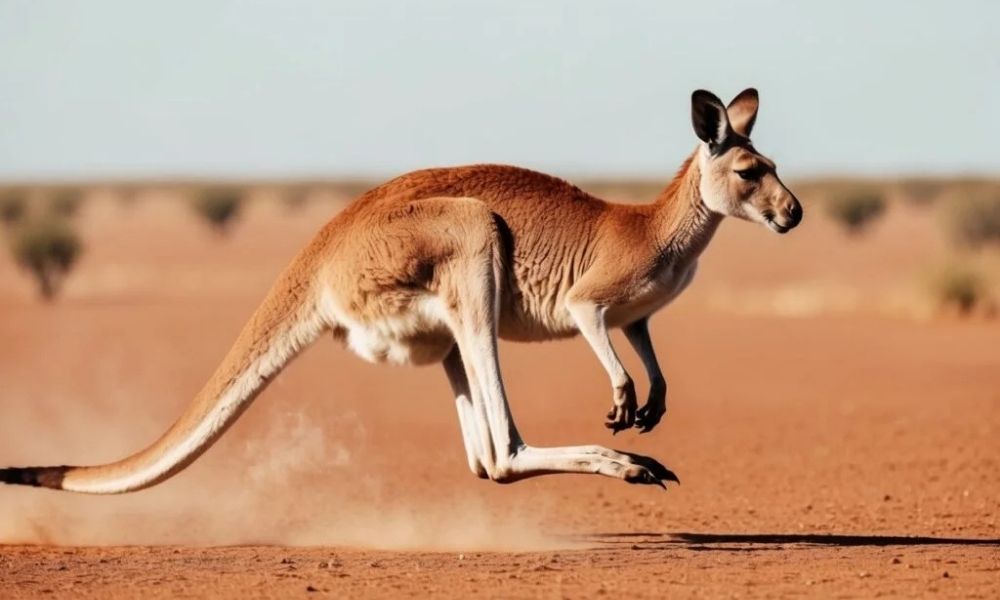
The red kangaroo, native to the deserts and vast grasslands of Australia, is the largest member of its species. Males are typically chestnut-colored, while females are smaller and bluish-gray. Red kangaroos hop on two legs and use their large tails for balance. Another interesting feature of this species is that they cannot walk backwards!
Red kangaroos cool off in extreme heat by licking their front paws. The evaporation of saliva helps them lower their body temperature. Red kangaroos feed on a variety of plants, from grasses to root vegetables, and when water is scarce, they use these plants to meet their needs.
5. Bearded Dragon

The bearded dragon, perfectly adapted to Australia's desert climate, gets its name from the row of spiny scales on its neck. When swollen, these scales resemble a beard. This lizard, which attracts attention with its body covered in sharp spines and long tail, is both carnivorous and herbivorous. Its diet consists primarily of insects, small vertebrates, and plants. During the day, it rests in the sun or hides in shaded areas to maintain a constant body temperature. This balance allows it to survive in desert conditions.
6. Silky Pocket Mouse

The silky pocket mouse, named for the food pouches it carries on its cheeks, is perfectly adapted to desert life. This adorable creature lives in the southwestern United States and Mexico, typically in sandy areas with sparse vegetation. It is a very small species with soft, silky fur, short ears, and a bushy tail. These mice are nocturnal, spending the day in cool, underground places and emerging at night to forage for seeds. The seeds they collect in their cheek pouches serve as an excellent source of water. Silky pocket mice can go for weeks without water thanks to the special structure of their kidneys.
- Interesting fact: How animals choose their leaders.
7. Meerkat
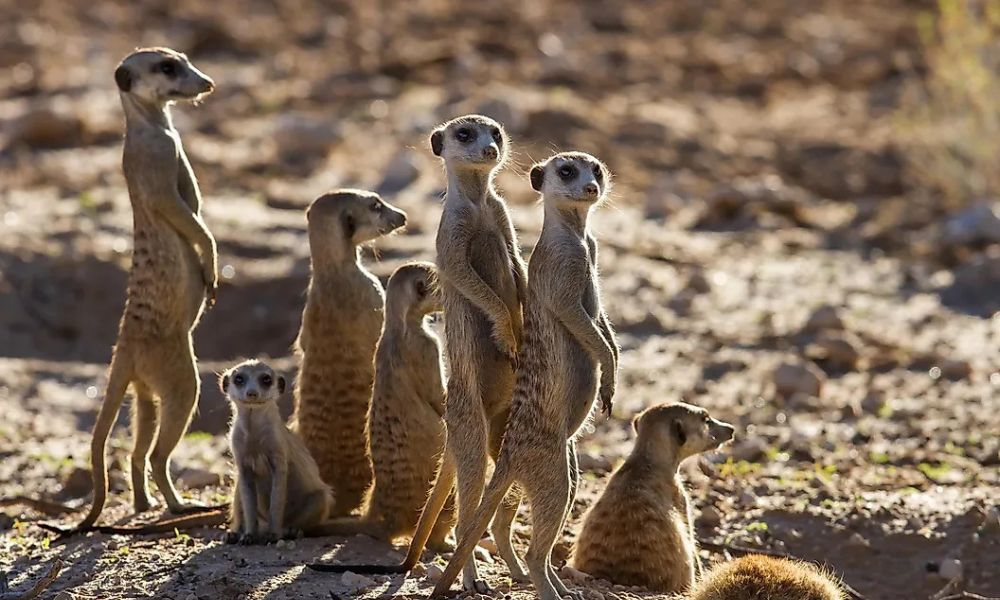
Most of us probably first encountered these adorable mammals when we saw Timon from Disney's The Lion King! However, unlike Timon, who wanders alone in the film, meerkats live in large packs. Native to the Kalahari Desert in South Africa, these creatures have many physical features that facilitate their survival. Although dark circles around their eyes reduce sunlight exposure, their soft fur and dark skin help regulate their body temperature. Long, horizontal pupils provide a wide field of vision. Furthermore, their closable ears and long claws make digging easier. Meerkats obtain food from sources such as insects, small lizards, and snakes, so they don't need much water.
8. Rabbit
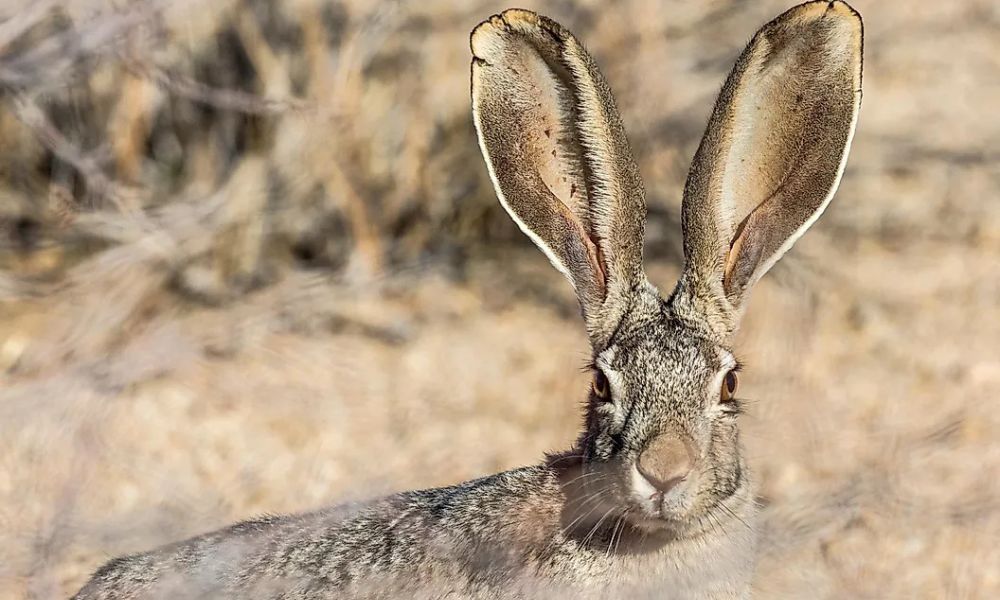
This large rabbit species, known as the snowshoe hare, inhabits the arid desert regions of the American West and can tolerate extreme heat and cold thanks to its large, furry paws and large ears. The fur on their paws protects them from the sand's heat, and blood flow to their ears regulates their temperature. Rabbits feed on tough leaves, grass, and twigs. Constant gnawing wears down their growing teeth, maintaining their ideal size. The special structure of their feet helps them digest tough plant matter. Rabbits obtain their water from plants and conserve energy by resting in the shade during the hottest hours of the day.
9. California Ground Cuckoo

Known as the Great Road Cuckoo or California Ground Cuckoo, this species is common in the Mojave, Sonoran, and Chihuahuan deserts of North America. This small bird obtains the water it needs from insects and reptiles it consumes while hunting. This species excels in its survival skills, as it can handle dangerous prey such as venomous scorpions and rattlesnakes. It uses the hairless area under its chin to regulate its body temperature and conserves energy by hiding in shelters during cold weather at night.
10. Camel
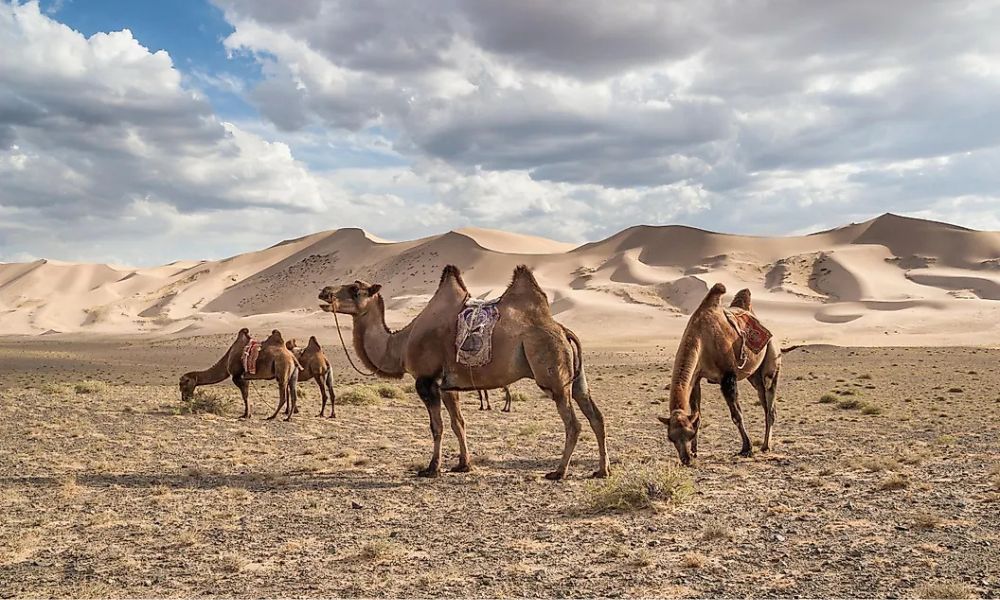
When we think of desert animals, the first thing that comes to mind is the camel, of which there are two types: one-humped and two-humped. The fat stored in the humps meets the camel's energy needs, allowing it to survive for several days without food or water. The humps deflate as the fat is depleted and inflate again when energy is restored. Camels can walk without sinking into the sand thanks to their wide paw pads and protect themselves from sandstorms by closing their nostrils. A camel can store the water it needs to survive, drinking 152 liters in a short period of time.