








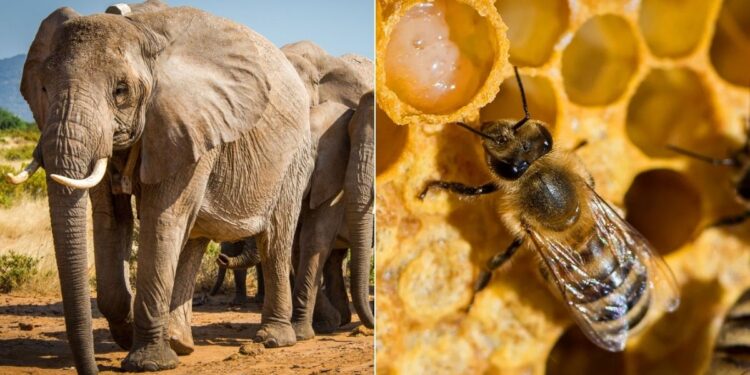
Many wild animals, from bees and dolphins to elephants, live in cooperative groups led by a single leader. And as in human societies, these rulers come to power in a variety of ways. Depending on their size and personality, chimpanzees either use brute force or form coalitions to achieve success. In some canid species, such as spotted hyenas, leadership is determined by gender or lineage, much like the rise of rulers in monarchies. Sticklebacks follow the most beautiful individual in the group. People sometimes perceive the advanced age of leaders as a sign of weakness, but some animal species embrace old age, says Jennifer Smith, a behavioral ecologist at Mills College in California. "Mammals often prefer to follow animals that have accumulated more knowledge and experience over their lives," says Smith, noting that this is especially true for older females. Let's look at how animals choose their leaders.
In particular, older females play an important role in the animal kingdom. For example, in African elephant herds, the oldest females lead the herd.

According to a study conducted in Amboseli National Park, these female elephants are adept at recognizing the roars of dangerous lions and protecting their herds. They also use their memory to locate food and water. "It's leadership based on prestige and experience," says behavioral ecologist Jennifer Smith, emphasizing the important role older women play in community survival. A similar situation is observed among killer whales. A postmenopausal female killer whale helps her family survive by showing them her hunting grounds.
African spotted hyenas live in a clan system based on an innate social hierarchy. Like royalty, leadership within the family rotates.
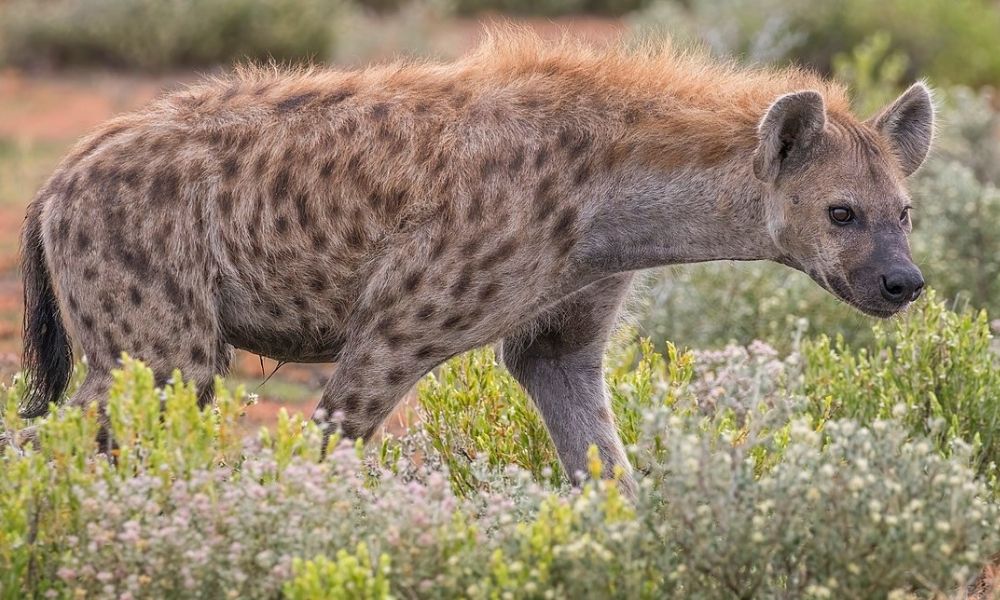
Each female is classified according to the rank she inherits from her mother and receives preferential access to resources such as food. This arrangement gives females an advantage; it allows them to be healthier and have more offspring.
«"In spotted hyena society, the queen inherits her rank from her mother, so there is a social transmission of knowledge and power," Smith says.
Within a larger hyena group, there are several families, each headed by a royal family, and each family is ranked according to certain levels of access to food and resources. For example, alpha females and their cubs have access to the best food and social support. This typically results in females being healthier and producing more offspring. "In coyote clans, females have a say in almost every aspect of life," says Smith.
- Don't miss: Top 5 Smart Animals, who use interesting methods of treating their own illnesses.
In chimpanzee societies, the alpha male is usually the leader and has reproductive rights.
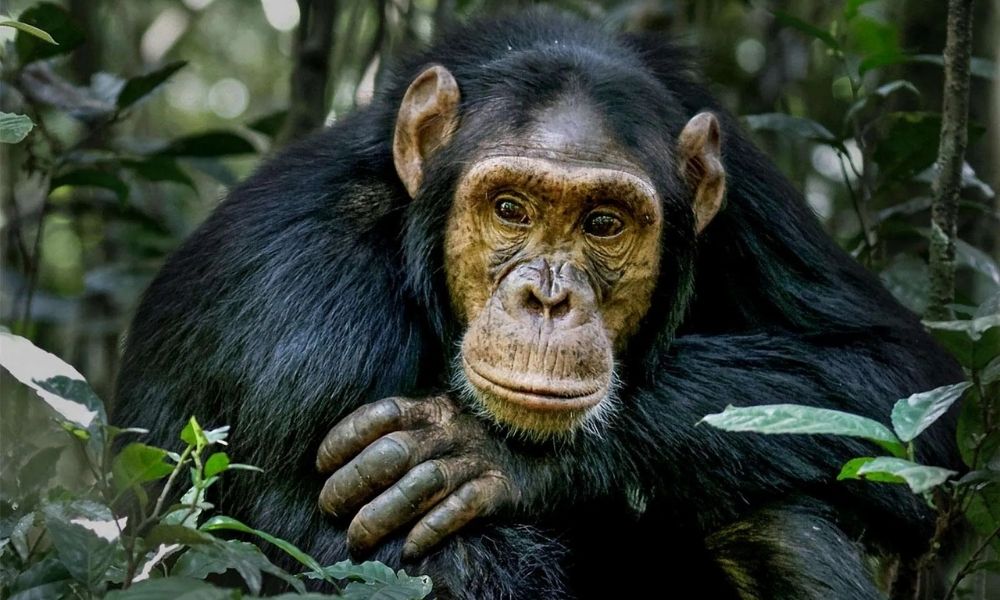
They maintain peace within the group and manage resources, while simultaneously establishing a social hierarchy. To maintain their power, these leaders must always be alert to potential threats in their environment. Some chimpanzees rise through relationships rather than power; smaller, less aggressive individuals can form coalitions and become leaders.
An alpha chimpanzee, whom researchers named Freud, was studied in Gombe Stream National Park in Tanzania. This male maintained his power by bonding with other chimpanzees, grooming them, and spending time interacting with them. Other males who adopted this approach were even observed tickling infants, similar to how human politicians kiss babies during election campaigns. By showing kindness and engaging in good old-fashioned politics, Freud was rewarded with loyalty and the perks of power, such as food, care, and mating opportunities.
Some species, such as the threespine fish, prefer to follow the healthiest and most beautiful individuals, acting as leaders.

Like humans, some animals choose leaders based on attractiveness. The three-spined fish is one such example. The species selects leaders with plump, smooth (and therefore disease-free) skin. Physical attractiveness indicates that they are healthy and likely to survive. Once one fish chooses an attractive leader, the others follow suit. The larger the school, the more likely the fish are to follow the right leader, suggesting that greater numbers can be beneficial. However, this leadership style also has its drawbacks; following the wrong leader can lead the entire school astray.
- Interesting to know: From butterflies to antelopes: the most interesting animal migrations in nature.
The competition for leadership among honeybees is fierce. A colony creates queen candidates by feeding regular female bees a special diet. A fierce battle ensues between the candidates, and the sole surviving bee is chosen as queen.

However, this queen's duties are limited to laying eggs. Important decisions, such as choosing a new nesting site, are made democratically by the scout bees. Each scout bee uses a dance to describe the advantages of the site she has found, and the area that finds the most supporters is designated as the colony's new home.
As Smith notes, the well-being of a colony, especially in honeybees, depends on individual bees telling the truth. Incorrect information can lead to the colony's demise. In the animal kingdom, patterns of cooperation and leadership provide important mechanisms that allow each species to survive using different strategies.
Based on materials from: nationalgeographic.