








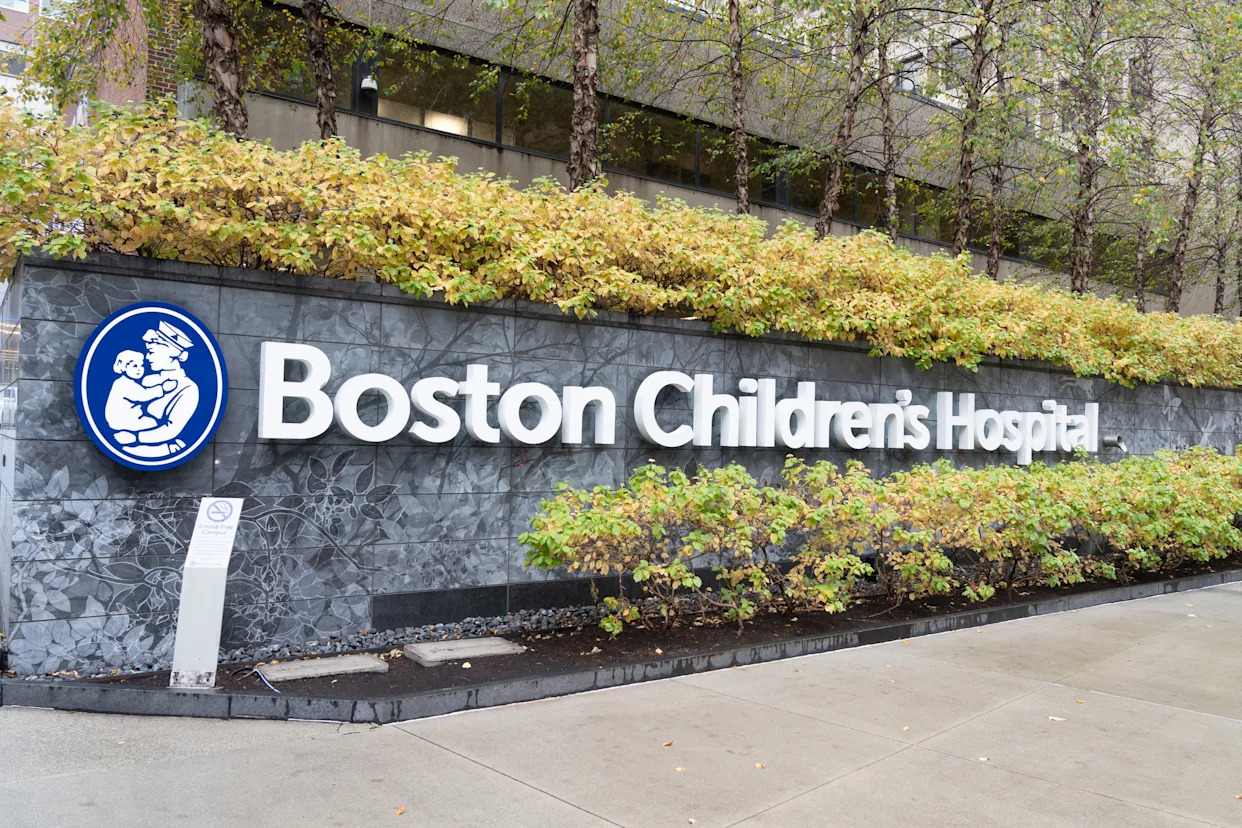
At Boston Children's Hospital, artificial intelligence has been used to discover various rare diseases.
According to an OpenAI article, ChatGPT for Healthcare was integrated as enterprise-grade AI into the hospital's clinical and operational infrastructure. The facility, which sees approximately 1 million outpatients annually, implemented over 50 automated processes to streamline workflows, benefiting teams involved in supply chain, billing, and hospital operations.
«"The problem isn't effort. The problem is human cognitive limitations," John Brownstein, chief innovation officer at Boston Children's Hospital, said in the article.
According to OpenAI, AI has been used to support research in data analysis and cohort formation, while administrative teams have found it useful for document drafting, programming, and other tasks. It has also been used to streamline administrative tasks, including invoice processing and surgery planning.
«"By using AI tools to predict when a patient might need surgery, we can optimize schedules and utilize operating rooms more efficiently," Braunstein said in a video published by OpenAI. "This leads to increased OR utilization and a significant increase in hospital revenue. But more importantly, children can get the care they need faster.".
More importantly, according to the article, AI has helped improve diagnostic outcomes, especially for people with rare diseases that previously remained undiagnosed or unresolved. It notes that even highly qualified and experienced physicians can face challenges assessing cases that require integrating data from the global medical literature along with incomplete genetic data and clinical histories. Therefore, the hospital developed the position of "co-pilot geneticist.".
«"We combine genetic information, phenotypic information, literature searches, and artificial intelligence to provide diagnoses for families who previously had no answers," Brownstein said in the article. "This was previously unthinkable, but now it offers hope to many families.".
According to him, thanks to the work of this «co-pilot geneticist,» more than 40 rare diseases were diagnosed.
«"This incredible partnership with OpenAI has allowed us to go far beyond the hospital's existing expertise. As a result, we've identified at least 40 families diagnosed with rare diseases," Braunstein explained in a video. "This was previously unthinkable, but now it brings incredible hope to many families, and this is about discovery. This is about identifying potential genes and new treatments that could help fight these diseases. Artificial intelligence is now playing a vital role in our genetic services, which will eventually be used across all departments of the hospital.".
Additionally, the hospital reported that the use of AI has saved approximately 60,000 hours of work time, totaling more than $7 million through labor redistribution.
In the video, Brownstein stated that he believes "artificial intelligence can be a driving force for the democratization of knowledge and data in healthcare. AI will become a core competency for every physician as they figure out how to treat their patients.".
The article "Boston Children's Hospital Uses AI to Help at Least 40 Families Get Rare Disease Diagnosis" first appeared on AfroTech.
The article "Boston Children's Hospital Uses AI to Help at Least 40 Families Get Rare Disease Diagnosis" first appeared on AfroTech.