









The past few years have been challenging for ordinary people, but rewarding for science. NASA's James Webb Space Telescope has captured new infrared images of the universe and provided the first evidence of carbon dioxide outside the solar system. The coronavirus pandemic has spurred innovative development of a nasal vaccine, and the FDA has approved lab-grown meat.
10. Robot Ameka
Last January, British company Engineered Arts unveiled a robot with a humanoid appearance: teeth, a gender-neutral body, and "terrifyingly realistic facial expressions."«
Ameka is controlled by a highly modular and learnable Tritium system and can answer questions and engage in conversation. Engineered Arts hopes this is just the first in a series of humanoid robots the company plans to produce.
9. Study of fungal communication
New research has shown that various mushrooms, such as the common slit-leaf mushroom and enoki mushroom, can "talk" to each other by sending electrical impulses through a web of underground mycelium, similar to the human body's nervous system.
Fungi have been found to use up to 50 "words" very similar to human language, but researchers are not yet ready to directly link their communication to human speech. It is believed that fungi communicate information about injuries and food sources.
8. Reviving organs of dead pigs
One of the most astonishing scientific experiments of 2023 was conducted by Yale University scientists. They used OrganEx, a perfusion device that pumps blood and biological fluids into the body's circulatory system, to breathe new life into the organs of large animals—pigs—that had been dead for an hour.
Every single major organ responded and even showed signs of cellular regeneration. This technology could be an important step toward developing innovative methods for human organ transplantation.
7. The complete sequence of the human genome has been obtained
Building on the foundation laid by the Human Genome Project, which sequenced 92% of the human genome, the National Human Genome Research Institute has successfully "sequenced" the last 8%.
This was made possible thanks to a new method for reading genetic text. It made it possible to read very long sequences of nucleotides located in the DNA chain.
The complete sequence of the human genome is now available for study, giving geneticists unique insights into how cells function and DNA variations from person to person.
6. Lab-grown brain cells learned to play ping-pong
«"Mini-brains"—brain cells grown in petri dishes at Melbourne's Cortical Labs—have learned to play the classic video game Pong. This marks the first successful interaction between biological neurons embedded in a specialized microchip and an external object.
While this achievement is a significant milestone, debate continues over whether cells can be classified as intelligent. One of the most daring scientific discoveries of 2023 could lead to cutting-edge ways to study neurological diseases such as Alzheimer's.
5. Moving Toward a Universal Flu Vaccine

The top 5 most important scientific achievements of 2023 include the success of developing a universal flu vaccine. For decades, this vaccine eluded scientists, largely due to the virus's ability to mutate and overcome previously developed immunity. However, by manipulating the lower portion of the influenza virus's hemagglutinin, which is less variable than other parts of the virus, researchers have developed antibodies resistant to multiple flu strains simultaneously.
4. A new milestone in nuclear fusion technology
In 2022, scientists at Lawrence Livermore National Laboratory created the first controlled fusion reaction that resulted in ignition. This means the reaction produced more energy than was input.
This fusion reaction is considered "clean," meaning it produces large amounts of energy without the emissions typical of fossil fuels. One of the best scientific discoveries of 2023 could pave the way for a new way to provide energy to people without degrading the Earth's atmosphere.
3. Human brain cells were successfully implanted into rats
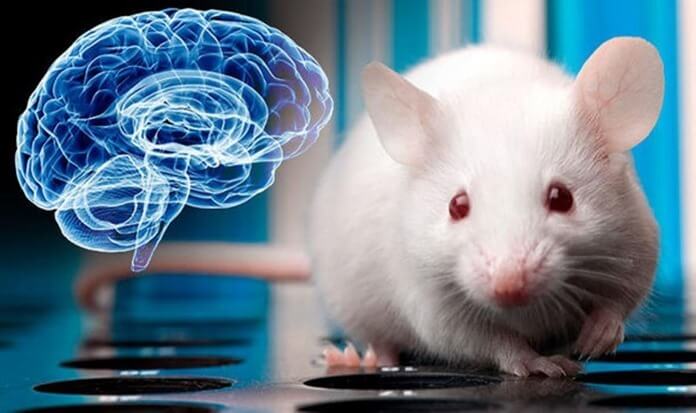
Historically, it has been very difficult to study neurological dysfunction in humans because living brain neurons cannot be fully replicated in petri dishes.
However, in 2022, scientists grew human brain cells and transplanted them into rats. They successfully grew, occupying one-third of the rats' total brain area, and functioned normally. This exciting scientific discovery offers a promising opportunity for studying poorly understood disorders such as schizophrenia and autism.
2. The world's first synthetic embryo
Another scientific breakthrough in 2023 was the world's first "synthetic" mouse embryos, created from stem cells without the need for an egg, sperm, or uterus.
Just weeks after this monumental achievement, researchers went even further, creating a "synthetic" embryo with a beating heart, brain, and the potential to develop other organs. Both studies represent a huge step forward in fertility research and theoretically allow for the development of synthetic human organs for transplantation.
1. The Dart probe destroyed a 160-meter asteroid.
Earth has been struck by asteroids numerous times, and one of them, 66 million years ago, even led to climate change and the extinction of the dinosaurs. Can anything be done to save humanity from this existential extraterrestrial threat? Fortunately, the answer is yes.
On September 27, 2023, NASA's 550-kilogram Dart (Double Asteroid Re-Direction Test) umbrella deliberately collided with the small asteroid Dimorphos at nearly 22,000 kilometers per hour. Dimorphos was deflected from its orbit, meaning Earth will have ample time to alter the asteroid's trajectory if it is on a collision course with Earth.